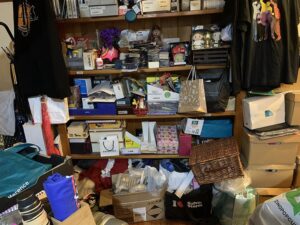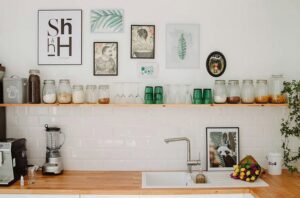

These simple tips from a Melbourne organiser are for people who notice the clutter creep and don’t know where to start.
Stop clutter coming in
1. Stop the shop
Stay away from temptation, stop shopping for leisure, and remember all those things you have bought which are now gathering dust. Calm the consumerism, save money and reduce clutter.

2. Borrow don’t buy
Related to above, instead of shopping, use book libraries, toy libraries, friends and awesome community resources like Facebook Buy Nothing and Good Karma groups.
3. Unsubscribe
Staying away from temptation and FOMO also means avoiding junk mail – both physical and digital.
4. Just say no to paper
Receipts, manuals, brochures – say no thanks or just chuck them immediately. These things accumulate and make benchtops messy.
5. Rethink occasions
Birthdays and Christmas are huge clutter traps. Try gift-free events. Encourage guests to bring a plate, or celebrate with a restaurant meal instead.

6. Reconsider decorations
Do you really need new Christmas decorations every year? These things take up a lot of space for just a few weeks of joy. And don’t get me started on all the Halloween plastic. Reduce clutter by not buying it in the first place.
Set up systems
7. Create zones
Have a place for everything (and everything in its place). When devising a system for where things live, take four things into account:
- Grouping like with like.
- Storing items in a place that is intuitive to you.
- Storing frequently-used items near where they are used.
- Decluttering as you go.
All of these practices make accessing and putting things away a breeze. Hence you reduce clutter.

8. Label your zones
This makes it not only easy to find things, but to put them away. Especially good if you share a home with others.

9. Don’t put it down, put it away
Clutter attracts clutter. If you get in the habit of putting things away, the problem doesn’t breed.
10. Have a one-in, one-out policy
If you get new sneakers, discard your worn-out ones. If you buy a new toaster, say goodbye to the oldie. No need to keep superseded items ‘just-in-case’.
It’s a great strategy to deploy while you are considering a new purchase, as it may stop you from getting your credit card out.
11. Implement a go-zone
Putting everyday ‘grab’ items by the door (school bags, sunglasses, shoes) means they don’t take over other spaces, and are right where you need them as you leave home and return. Otherwise called a mud room, drop zone, or starting blocks, this space needs regular maintenance to keep it running smoothly, but it’s worth it.

Keep on top of it
12. Declutter regularly
Accumulation is normal, but if a pile of paper or a drawer becomes unsightly or dysfunctional, go through it. The more often you declutter small areas, the more you gain control of your home.

13. Use a maybe box
Ideally, you make decisions only once (see the OHIO method – only handle it once), but if you encounter difficult items while decluttering, put them in a maybe box. Set yourself a ‘use-by’ date and put it in the calendar. Whatever is still in the box on the date can go – preferably without looking in the box! (Easier said than done of course)

14. Do some matchmaking
Go through your Tupperware drawer and sock storage, and match everything up. You could have a halfway-house for a month or two – a box somewhere with odds, in case their mate turns up. But make sure you put a chuck date in your calendar, and get those lonely singles out the door soon.
15. Ditch the decor
Do you have lots of ornaments, photo frames and souvenirs gathering dust? Look at them with fresh eyes and ask if you really notice/love/need them?

16. Go through your wardrobe
This is fun. Turn all your clothes hangers backwards, and turn them the right way only as you wear the item. Set a reminder for a year’s time to donate anything still facing the wrong way. Not ideal for sentimental items and garments in drawers, or for people like me who need all the hangers facing the same way … all the time.

17. Bathroom blitz
Pull everything out and only put back what you will use in the foreseeable future. Anything that may be used ‘one day’ should go, as well as expired products.
18. Ask questions
Ask yourself with everything you touch – why do I have this? If you can’t answer it, reconsider its place in your home.

Lastly, get in touch and we will do some clutter-busting with you, and whip your home into shape. Servicing Melbourne and the Mornington Peninsula.